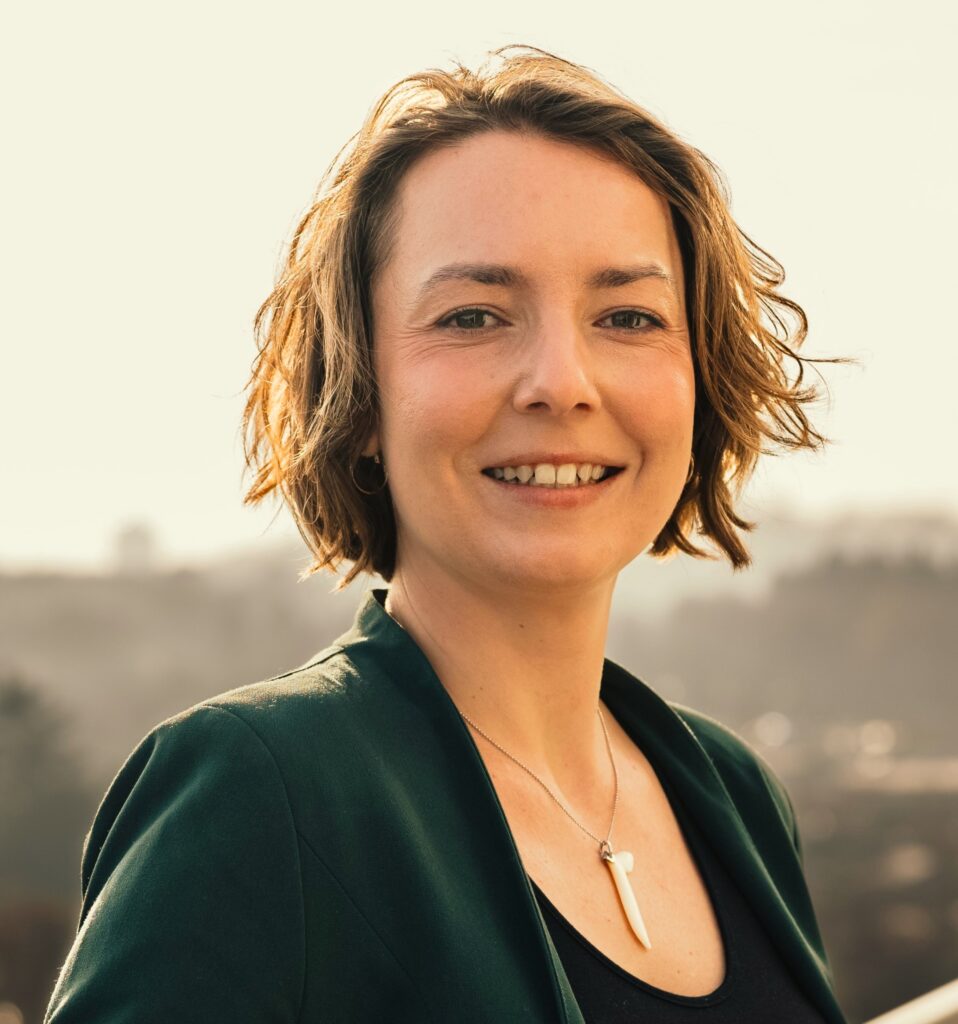
Hiya!
I’m an ecologist by training, but now work in science management and policy evaluation. Basically, I make sure that environmental funding programs actually work in the real world and that we have the rigorous data to prove their impact.
Current Role: Scientific Officer
Right now, I support Germany’s Federal Action Plan on Nature-based Solutions for Climate and Biodiversity. My daily work revolves around:
- Evaluation Framework: Developing and refining an overarching monitoring system and defining clear, measurable indicators for biodiversity and climate action funding.
- Database Management: Ensuring data integrity and working on the technical design and maintenance of the underlying databases.
- Stakeholder Communication: Coordinating user onboarding and providing guidance for stakeholders entering data
Scientific Background
Before moving into science management in 2022, I pursued a PhD with a focus in Behavioral Ecology at the Humboldt University of Berlin. My research involved designing animal behavior experiments, handling tracking data, and collaborating with interdisciplinary teams in robotics and physics.
Knowing how raw scientific data is generated at the ground level helps me critically assess proposals and monitoring frameworks today.
Selected Passions & Side Projects
International Collaboration in Biological Invasiveness Screening:
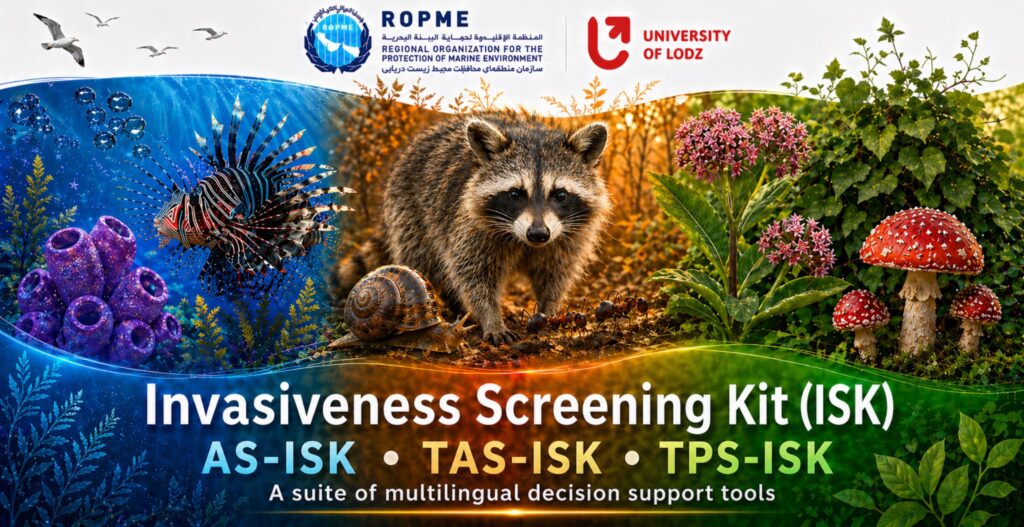
Biological invasions of non-native plants and animals do not respect borders, making international cooperation vital. To support this shared effort, I serve as a primary contributor to the German version of the Invasiveness Screening Kit (ISK). By adapting this international multi-species risk-assessment tool, I help remove language barriers for regional practitioners, making it easier for local experts to evaluate non-native flora and fauna and contribute to broader biosecurity efforts.
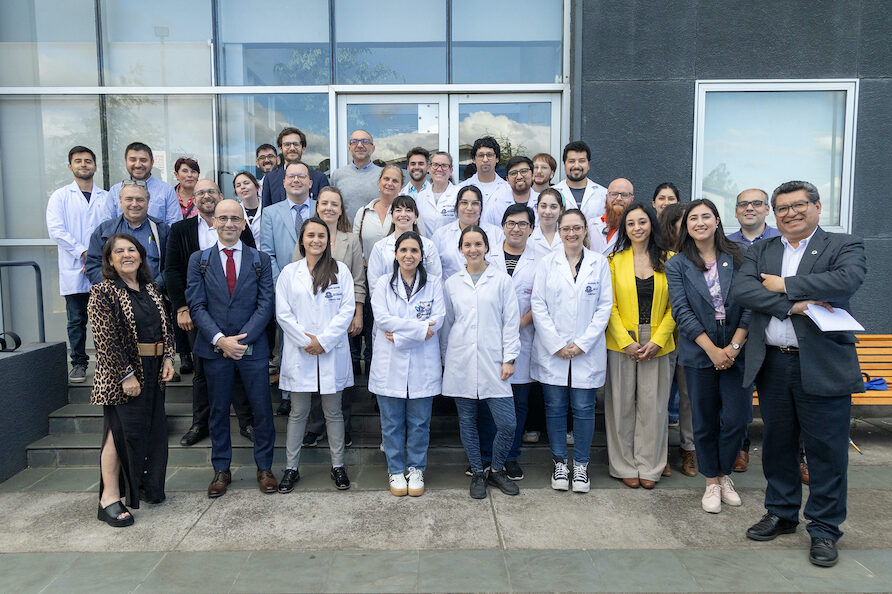
Quality Assurance in Higher Education Institutions: As an independent reviewer, I evaluate Life Sciences university curricula to ensure they align with professional requirements and international standards. I have completed seven accreditation procedures (three national and four international) covering Bachelor, Master, and PhD programs. My focus is on verifying compliance with ENQA standards, with a particular emphasis on structural ‘studyability’ and academic rigor.
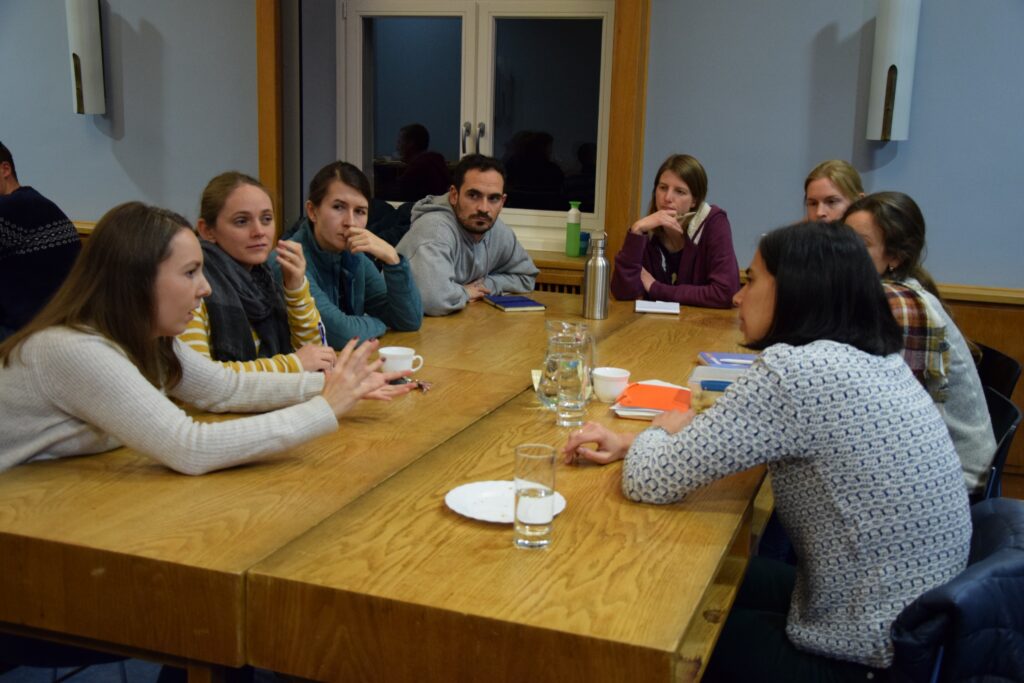
Career Talks & Mentorship: Early-career researchers often lack a network of peers or mentors outside the university system who can provide realistic insights into non-academic career paths. Having successfully transitioned away from the university track myself, I offer practical talks and workshops for PhD students and Postdocs navigating the shift to professional roles outside academia.
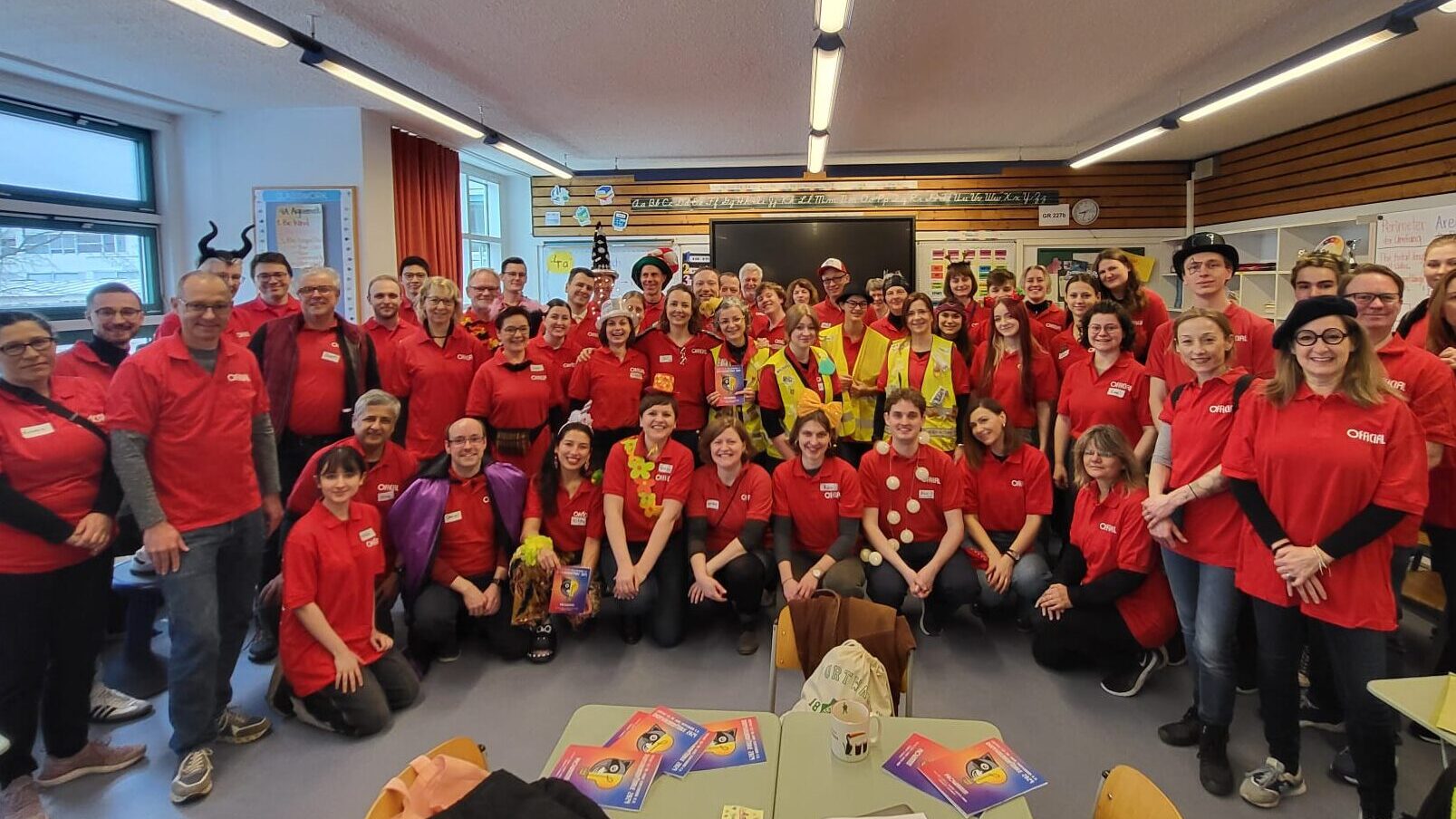
Organizing Creative Problem-Solving Tournaments: Having competed in Odyssey of the Mind as a child, I now support the program through the extended board of Odyssey of the Mind Germany e.V., where I have volunteered for over 15 years. As Officials Coordinator, I work alongside a dedicated team to ensure smooth tournament execution. My role focuses on recruiting, training, and coordinating our volunteer judges, while managing core operations like competition scheduling, scoring logistics, and translating problem materials and rulebooks. I also serve as a Head Judge and represent our association as an international delegate at the World Finals.
Looking for a collaborator, subject expert, or speaker?